
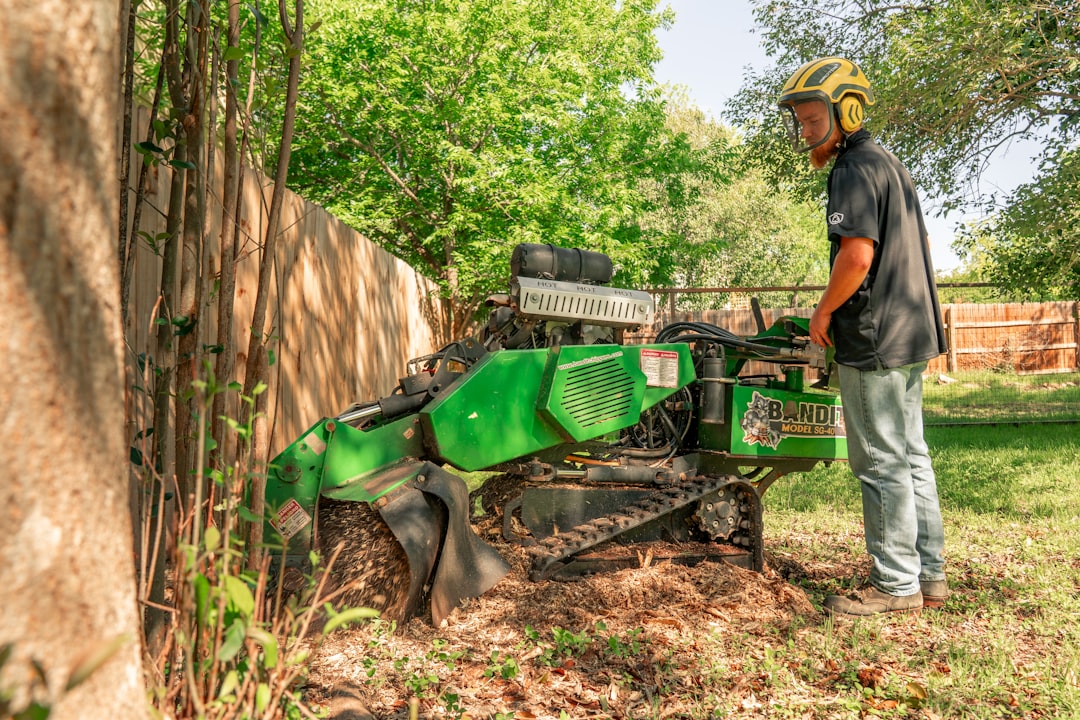
The Homeowner's Guide to Hiring a Professional Stump Grinder
Why Hiring a Local Stump Grinding Service Near Me Is Worth It
When you search for a stump grinding service near me, here's what you need to know right away:
Question Quick Answer What does it cost? $100–$600+ depending on stump size How long does it take? 30 minutes to a few hours How deep do they grind? 4–12 inches below ground Do I need to be home? No, but access to the stump is required What happens to the chips? Left as mulch or hauled away
That stump sitting in your yard isn't just an eyesore. It's a tripping hazard for your kids, a welcome mat for termites and carpenter ants, and a roadblock to any landscaping plans you've been putting off.
The good news? Professional stump grinding is faster, cleaner, and more affordable than most homeowners expect.
But not every local service is the same. Prices vary. Depth of grinding varies. So does cleanup, equipment quality, and whether the company is actually licensed and insured.
This guide is built for Heber City homeowners who want to make a smart, confident decision — not just hire whoever shows up first on Google.
We'll walk you through costs, the grinding process, what to prepare, and exactly what to look for when choosing a local pro.
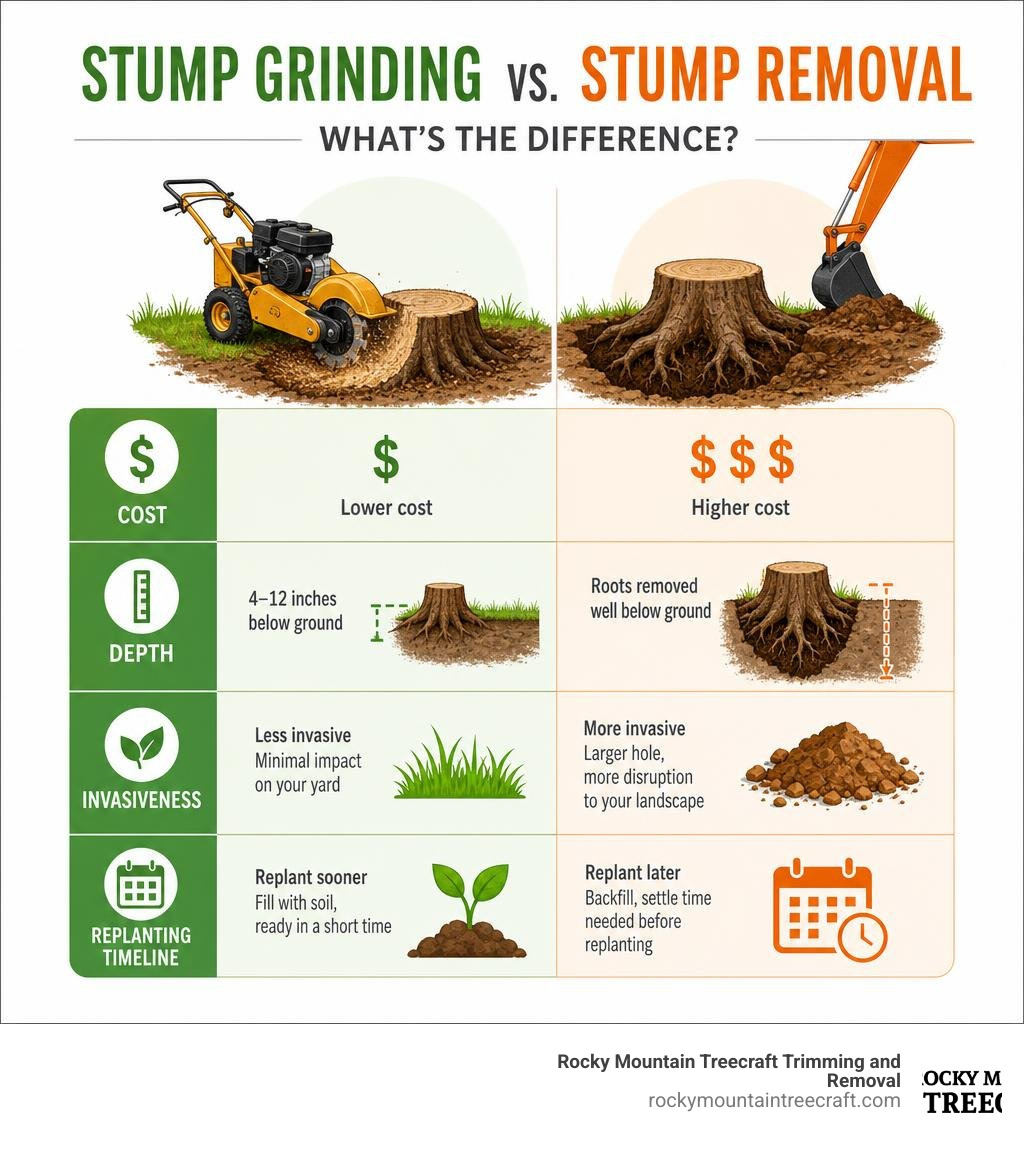
Stump Grinding vs. Stump Removal: What is the Difference?
When homeowners look to clear their properties in Wasatch County or Summit County, they often use the terms "stump grinding" and "stump removal" interchangeably. However, these two methods are vastly different in terms of cost, labor, and the physical impact they have on your landscape.
What is Stump Removal?
Full stump removal is an intensive, highly invasive excavation process. Instead of leaving the root system in place, a team must dig up the entire root ball of the tree.
Because tree root systems can spread horizontally as wide as the tree's canopy and run several feet deep, this requires heavy machinery like excavators or backhoes. The process results in:
Significant soil disruption, leaving a massive, crater-like hole in your yard.
High labor costs due to the time and heavy equipment required.
Additional fees for hauling away a massive, heavy root ball caked in hundreds of pounds of dirt.
Potential damage to surrounding turf, garden beds, driveways, or underground utility lines.
While full removal is sometimes necessary if you plan to build a foundation, pour a concrete driveway, or plant a new large tree in the exact same spot, it is rarely the best choice for everyday residential landscaping. If you are dealing with a dead, hazardous, or fallen tree that needs to be cleared out first, you can Learn more about professional tree removal to see how the initial clearing process works before addressing the remaining stump.
What is Stump Grinding?
Stump grinding is the modern, efficient alternative. Instead of pulling the entire root system out of the ground, a specialized machine called a stump grinder uses a high-speed, carbide-tipped cutting wheel to shave the wood down into small chips.
The machine grinds the stump down several inches below the soil level (typically between 4 to 12 inches), effectively severing the connection between the visible stump and the underground roots.
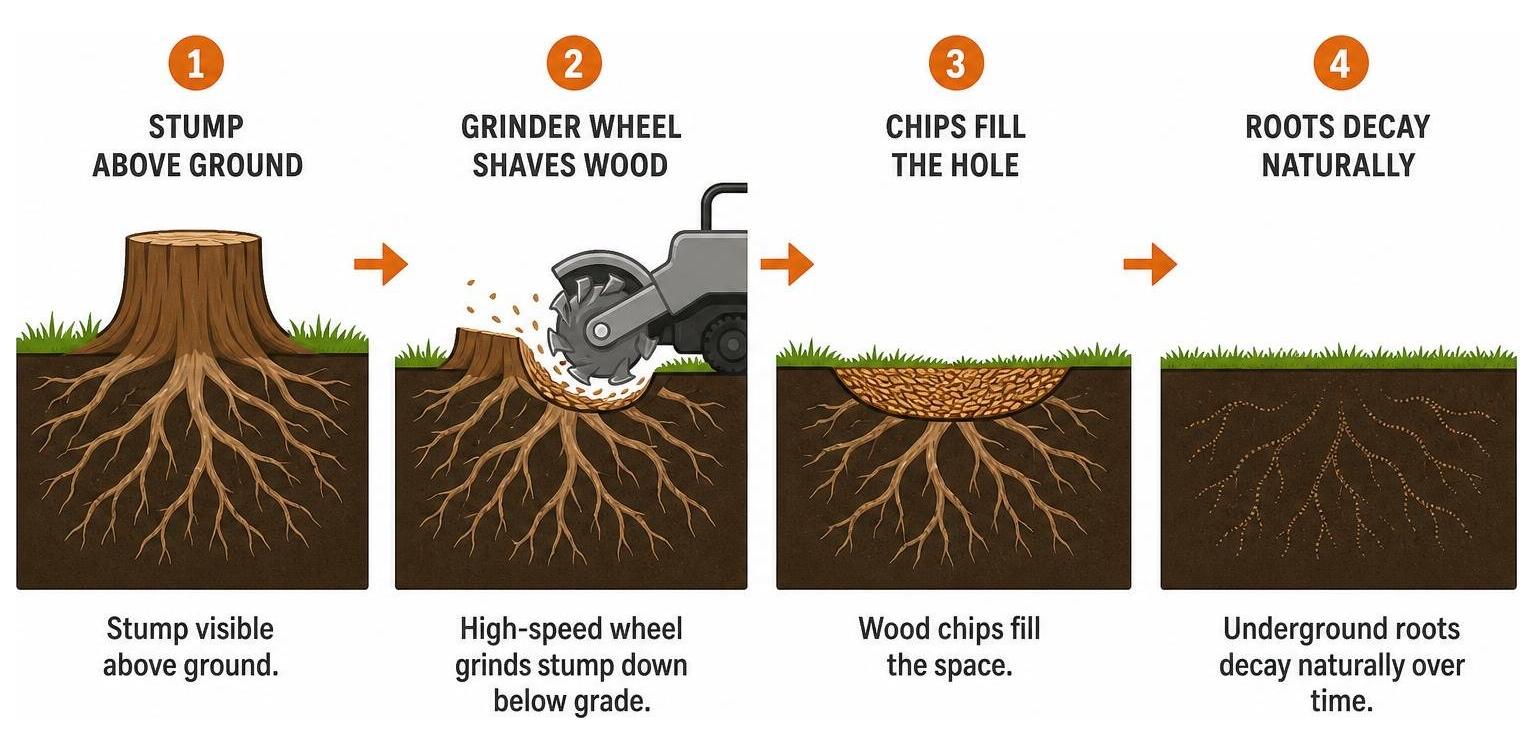
The advantages of stump grinding include:
Minimal lawn damage: The machines are highly maneuverable and do not require tearing up the surrounding turf.
Natural root decay: The underground root system is left in place to decompose naturally over time, adding organic matter back into your soil.
Cost-effectiveness: Because it takes less time and lighter equipment, it is significantly cheaper than full excavation.
Eco-friendly waste: The resulting wood chips can be recycled directly on your property as nutrient-rich mulch.
How Much Does a Stump Grinding Service Near Me Cost?
Understanding the costs associated with tree care is essential for budgeting your landscape projects. When searching for a stump grinding service near me in Utah, you will find that pricing is influenced by several specific factors rather than a flat hourly rate.
Most professional tree care teams charge by the diameter of the stump, the complexity of the root system, or offer a flat fee per project after performing an on-site inspection.
Typical Cost Ranges by Stump Size
To give you a clear idea of what to expect in the current 2026 market, here is a breakdown of average professional pricing:
Stump Size Class Diameter (Inches) Average Cost Range Best For Small Under 12" $100 – $175 Young saplings, small conifers, or shrubs Medium 12" – 24" $175 – $350 Average backyard shade trees, ornamental trees Large 24" – 24"+" $350 – $600+ Mature oaks, cottonwoods, maples, or old pines Multi-Stump Multiple Volume Discounts Lot clearing, post-storm cleanup, renovations
Note: Many local tree services have a minimum trip charge (typically around $150 to $185) to cover travel, equipment transport, and setup costs, even for a single very small stump.
Key Factors That Affect the Price
No two tree stumps are identical, and several variables can shift your final quote up or down:
Stump Diameter and Height: The wider the stump, the more passes the grinding wheel must make. Additionally, if the previous tree service left a tall trunk (high stump) instead of cutting it flush to the ground, the grinder has to process more volume, which increases the time and cost.
Tree Species (Hardwood vs. Softwood): Grinding a soft pine, spruce, or fir tree is relatively fast and easy on equipment. Grinding a dense hardwood like a mature oak, maple, or ash takes longer and causes more wear and tear on the carbide teeth of the grinder, which is reflected in the price.
Root Spread and Surface Roots: Some trees, particularly older maples and elms, have massive surface roots that snake across your lawn. If you want these surface roots ground down so you can mow your lawn safely, this adds to the project's scope.
Site Accessibility and Terrain: Is the stump located in an open, flat front yard? Or is it tucked behind a narrow backyard gate, on a steep slope, or jammed against a concrete patio? Tight spaces require smaller, walk-behind grinders or specialized tracked equipment, which can increase labor time.
Soil Composition and Obstacles: Rocky soil, clay, or stumps growing directly over ledge and rock walls present hazards for the grinding machinery. Rocks can break the expensive carbide teeth on a grinding wheel instantly. If a site is highly rocky, the operator must work much slower and more cautiously.
Cleanup Preferences: Do you want the service provider to leave the wood chips in a neat pile over the hole for you to use as mulch? Or do you want them fully hauled away, the hole backfilled with topsoil, and seeded? Full-service cleanup and hauling will increase the overall project cost.
If you are looking to compare regional rates or need to hire a certified specialist in Salt Lake or Utah County, getting a professional on-site estimate is the best way to ensure accurate pricing tailored to your specific landscape.
What to Expect During and After the Stump Grinding Process
If you have never hired a professional tree service to handle a stump, you might wonder what the actual day of service looks like. The process is highly systematic, designed to protect your yard while eliminating the wood quickly.
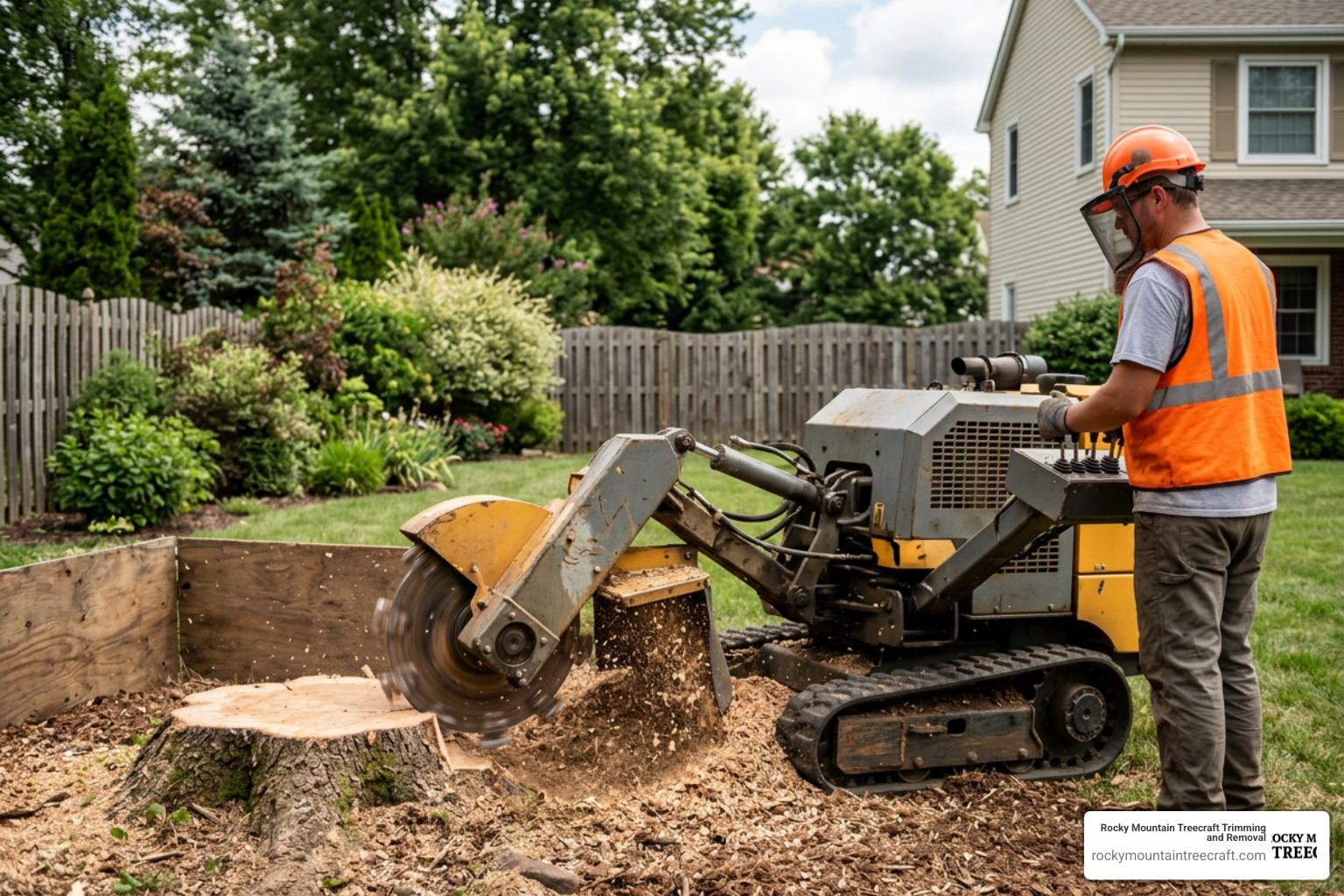
Here is how a typical professional stump grinding job progresses:
Step 1: On-Site Inspection and Utility Check: The technicians will inspect the stump, identify any nearby obstacles (like sprinkler heads, landscape lighting, or hardscapes), and verify that underground utility lines have been cleared.
Step 2: Equipment Setup: The team will maneuver the self-propelled stump grinder into position. To protect your manicured grass, professional teams use heavy-duty plastic lawn protection mats, preventing the machine's tires or tracks from leaving ruts in your turf.
Step 3: Debris Screen Placement: Grinding wood at high speeds throws chips and small rocks. Experienced crews set up metal or mesh debris curtains around the work area to protect your home's windows, parked cars, and nearby structures.
Step 4: The Grind: The operator uses hydraulic controls to sweep the spinning cutting wheel back and forth across the stump, shaving off a few inches with each pass. They will grind the main body of the stump down to the targeted depth.
Step 5: Root Grinding (Optional): If specified in your agreement, the operator will chase major surface roots that run outward from the trunk, grinding them down below turf level.
Step 6: Backfilling and Tidy-Up: Once the wood is fully ground, a large pile of mixed soil and wood chips will remain. The crew will rake this mixture back into the hole to level it off, preventing a hazardous pit from being left behind.
Most individual stumps are fully ground in 30 to 45 minutes, though massive hardwood stumps or complex multi-stump projects can take several hours. If you want to combine your stump grinding with other yard maintenance, such as pruning dead branches or clearing hazard trees, you can explore our comprehensive residential tree services to see how we can streamline your property care.
Preparing Your Yard for a Stump Grinding Service Near Me
To ensure the job goes smoothly, safely, and quickly, there are a few simple preparation steps you should take before our crew arrives at your property:
Clear the Area: Remove any lawn furniture, potted plants, garden hoses, toys, or decorative rocks within a 20-foot radius of the stump. This keeps your belongings safe and gives the grinding machine plenty of room to operate.
Identify Underground Hazards: If you have an underground sprinkler system, landscape lighting wires, invisible dog fences, or private power lines running to a shed, make sure to point them out to the crew.
Keep Pets and Kids Indoors: Stump grinders are loud, powerful machines. For their safety, keep children and pets securely inside the house while the work is being performed.
Provide Clear Access: Ensure that gates are unlocked and that any vehicles blocking driveways or pathways to the stump are moved. If you have any questions about site preparation or want to discuss unique backyard layouts, please Contact us for preparation tips ahead of your scheduled service.
What Happens to the Wood Chips After a Stump Grinding Service Near Me?
One of the most common surprises for homeowners is the sheer volume of wood chips produced during the grinding process. Because solid wood expands significantly when shredded, a single medium-sized stump can produce a surprisingly large pile of mulch.
You have a few excellent options for managing these leftovers:
Repurpose as Mulch: This is the most popular, cost-effective, and environmentally friendly option. Stump grinding chips make fantastic mulch for your flower beds, around the bases of other trees, or along garden pathways. They help retain soil moisture, regulate soil temperature, and suppress weeds naturally.
Backfill the Hole: We will use a portion of the chips mixed with soil to fill the hole left by the stump. Over the coming months, this mixture will naturally settle and decompose, settling flush with the rest of your lawn.
Professional Debris Removal: If you do not want any wood chips left on your property, you can opt for our full haul-away service. We will rake up the debris, load it into our trucks, and haul it away, leaving the area clean and ready for immediate topsoil and seed.
To see visual examples of how clean a yard looks after our team finishes grinding and tidying up, you can See our project gallery for cleanup examples.
Frequently Asked Questions About Stump Grinding
Dealing with tree stumps can raise a lot of practical questions about property safety, lawn health, and future landscaping.

Below, we have compiled detailed answers to some of the most common questions we receive from local homeowners. If you have additional questions not covered here, you can always Find answers in our FAQs on our main site.
How deep do professionals grind stumps and why does depth matter?
For a standard residential project, we typically grind stumps 4 to 8 inches below the soil surface. However, depending on your future plans for the area, we can grind as deep as 12 inches or more.
Depth matters because it dictates what you can do with the space afterward:
For Grass Seeding: A depth of 4 to 6 inches is usually sufficient. This allows you to add a layer of topsoil over the remaining wood and plant grass seed.
For Landscaping or Paving: If you plan to lay a stone patio, install a walkway, or plant shrubs, you will want a deeper grind (8 to 12 inches) to ensure no structural wood interferes with your construction or root growth.
Preventing Regrowth: Some aggressive tree species (like willows, elms, and maples) can send up new shoots (suckers) from live wood left too close to the surface. Grinding deep enough severs these connections and stops regrowth.
Can stump grinding damage my lawn, driveway, or underground utilities?
When performed by trained, licensed professionals, the risk of damage to your property is extremely low. However, operating heavy machinery always requires careful planning and safety protocols.
Lawn Protection: Modern stump grinders are heavy. To prevent turf damage, tire ruts, or soil compaction, we use specialized ground protection mats. These mats distribute the machine's weight evenly, allowing us to roll across wet or sensitive grass without leaving a trace.
Driveways and Hardscapes: We take extreme care when navigating near concrete, asphalt, or stone pavers. Our operators are highly skilled at maneuvering in tight spaces without scraping or cracking your hardscaping.
Underground Utilities: This is the most critical safety factor. Buried gas, water, sewer, and electric lines can run directly beneath or near tree roots. In Utah, it is legally required to notify utility companies before digging or grinding. We coordinate with local utility locator services (like Blue Stakes of Utah) to mark all public lines before we start spinning our wheel.
For properties located in specialized mountain developments or master-planned communities, we work closely with local management and utility locators to ensure all regional safety guidelines and environmental regulations are strictly followed.
How soon after grinding can I plant grass or landscape the area?
You can technically begin working on the area immediately after the grinding is complete, but success depends on how you prepare the soil.
If you want to plant grass or flowers, keep the "nitrogen factor" in mind. As the remaining underground wood chips and roots begin to decay, soil microbes will consume a large amount of nitrogen to fuel the decomposition process. This temporary lack of nitrogen can starve new grass or plants, causing them to turn yellow and struggle.
To successfully restore your lawn:
Remove excess wood chips: Scoop out as many of the fresh wood chips from the hole as possible.
Add quality soil: Fill the hole with a high-quality topsoil mixed with compost.
Fertilize: Apply a nitrogen-rich fertilizer to offset the natural decomposition process.
Seed or Sod: Lay your grass seed or sod, water thoroughly, and keep the area moist.
If you want to plant a brand-new tree, it is best to offset the planting location by at least 3 to 5 feet from the old stump hole to ensure the new tree has fresh, nutrient-rich soil and plenty of room for its roots to grow. For professional insights on local planting timelines and soil health in the Wasatch Back, check out Tree Care And Land Management Services In Midway, UT.
Conclusion: Choosing the Best Local Stump Grinder
Leaving an old tree stump in your yard is a gamble. Over time, that decaying wood will attract pests, damage your lawn equipment, and limit your ability to fully enjoy your outdoor living spaces.

When searching for a reliable stump grinding service near me, you deserve a team that combines advanced machinery with deep, local expertise.
At Rocky Mountain Treecraft, we proudly serve homeowners and businesses across:
Heber City, Midway, Charleston, Daniel, and Wallsburg (Wasatch County)
Park City, Kamas, and Hideout (Summit County)
Sandy, Cottonwood Heights, Murray, and surrounding Salt Lake and Utah County communities
As a fully licensed and insured local tree care company, we understand the unique climate, rocky soil conditions, and tree species of the Wasatch Back. We provide transparent, fixed-price proposals, utilize turf-safe equipment, and clean up every job site so your yard is left pristine.
Don't let an ugly stump ruin your home's curb appeal or put your family at risk of trips and falls. Schedule your professional stump grinding today and take the first step toward reclaiming your beautiful Utah landscape!